

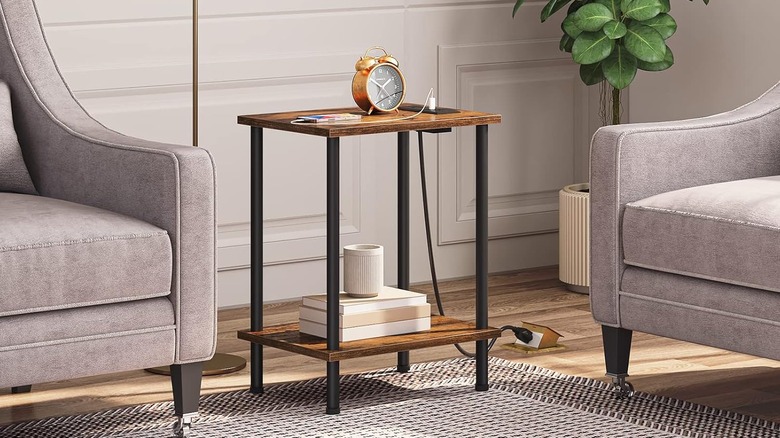
The modern living space is not just an area to relax and watch TV. In 2026, it has evolved into a multi-purpose environment where we interact, work, play, and stay connected with the world. As our daily lives become increasingly dependent on technology, Furniture in Pakistan is also transforming to keep pace with these changes. One of the biggest shifts in home design is the rise of smart furniture with built-in charging capabilities. This innovation is eliminating messy wires, creating cleaner spaces, and redefining how we experience comfort and functionality in our homes.
Coffee tables which function as wireless chargers in a giant size to sofas that have hidden power ports, the technological integration into the home design is becoming seamless. Here’s how smart furniture is changing the way we live today.
The End of Cable Clutter
For a long time, the most threatening element of a stunning living room would be”the “cable nest.” We’ve all seen the images of wires that are tangled between the sofa and over the flooring to access the phone. This is not only messy, but also creates an accident hazard for tripping in a home with a lot of activity.
Smart furniture addresses this issue by hiding the source of power inside the structure of the piece. In 2026, even a wooden bedroom set will feature advanced functionality, with bedside tables and side units equipped with “invisible” wireless charging pads installed directly beneath wood or stone surfaces. Simply place your smartphone or tablet onto the table, and it begins charging no visible pads or messy wires involved. This seamless integration supports a clean, minimalist aesthetic, which is a key element of the “Quiet Luxury” trend taking over cities like Dubai and Chicago this year.
The Rise of the Power Integrated Sofa
The sofa is the center of the living space and, in 2026, it has been transformed into a modern hub. Modern sofas have USB-C ports built into them as well as conventional power outlets concealed behind the armrests, or under the cushions.
This trend is driven by our “multi-screening” habits, where most people use their phones or laptops while relaxing at home. In 2026, even a wooden dining table is evolving to match this lifestyle, with built-in charging features that allow you to power your devices without leaving your seat. With integrated charging, there’s no need to move from your comfortable spot due to a low battery. Certain luxury sofas also come with built-in cooler cup holders and touch-controlled reclining functions, turning them into independent relaxation zones. For families, this means everyone can conveniently charge their gadgets at the same time without competing for a wall outlet.
Multi-Functional Coffee Tables as Tech Hubs
Coffee tables have undergone the most dramatic changes. It is no longer a simple place to store books and drinks. The smart coffee tables are now acting as the brains of the living space. Some models come with vast surfaces with numerous wireless charging zones, allowing multiple users to charge their devices simultaneously.
Apart from charging, these tables typically come with built-in Bluetooth speakers, refrigerator drawers for drinks, and touch-screen tables that manage your smart home lighting or the temperature. By combining all of these features into one piece of furniture, homeowners are able to cut down on the number of gadgets spread around the room. This results in an organized and tranquil atmosphere, which is essential for mental well-being this year.
Supporting the Hybrid Work Lifestyle
As hybrid work is a regular feature of our lives in 2026, our living rooms are often used as offices. Intelligent furniture in karachi can make this transition much easier. The small “C-shaped” end tables that are able to slide over sofas have built-in laptop charging ports as well as adjustable heights.
It allows residents to transform any corner of their living space into a workspace within a matter of seconds. In 2026, even a hand Crafted console table is designed with smart features and hidden compartments to support this flexibility. After the workday is done, charger cables can be neatly tucked away, instantly converting the area back into a relaxing environment. This adaptability is essential for modern living, helping us stay productive without allowing work to take over the entire interior design.
Aesthetics Meet Engineering
The most frequent complaint was that furniture with a sophisticated design appeared “geeky” or cheap. But in 2026, the technology is now inaccessible. Furniture designers from the top are working together with technology companies in order to make sure that the charging coils as well as wires don’t detract from the design of the piece.
No matter if you want an oak-style table with a rustic look or a modern marble desk, the technology is incorporated in a way that you won’t be able to see it without trying to find it. The “Human-Centric” design ensures that the furniture will feel like a warm and welcoming piece of furniture instead of an unwelcome piece of equipment. The emphasis will be upon what the “feel” of the material and the technology is left at a distance waiting to be utilized.
The Impact on Real Estate and Interior Design
Interior designers are planning areas in the form of “power zones.” If a customer purchases a set of furniture with smart design, they are more able to decide how they organize their rooms because they’re not limited by the position of electrical outlets on the walls.
In the market for real estate, homes that are being sold equipped with “integrated tech furniture” are getting more interest from buyers who are younger. They want a house that is prepared to meet the demands of the future. A living space that is equipped with every surface can be a charger is an enormous attraction for a generation which is always connected. It is a sign of comfort and luxury that is becoming the norm in luxurious homes.
Sustainability and Longevity
In 2026, sustainability will be an important element of the discussion. Smart furniture is currently being designed using “modular” tech components. This means that should the charging technology evolve within five years, you can simply replace the internal coil, instead of discarding the whole table.
This trend towards “upgradable” furniture is better for the environment and offers more value to the homeowner.
Conclusion
Integrating charging technology into furniture is an excellent example of how technology could help us. It’s not about putting in additional screens or distractions, but it’s about eliminating the little stresses of everyday life, such as a dying battery or a strangling cord.
As we progress through 2026, our living spaces become more sophisticated and clean as well as more responsive to requirements. Smart furniture helps us keep connected, while maintaining the beauty and tranquility of our home space.